
Introdu
(article no :23)ction
Search Engine Optimization (SEO) is the backbone of digital visibility, and while On-Page SEO gets much attention, Off-Page SEO is equally powerful in determining a website’s success. Off-Page SEO refers to all those strategies that happen outside your own website but directly influence your search rankings. Think of it as your reputation in the digital world—how other sites, social platforms, and users perceive your brand.
In today’s competitive online market, simply optimizing your pages is not enough. Search engines like Google rely heavily on external signals—backlinks, social shares, brand mentions, and overall authority—to decide which websites deserve the top positions. If your website is considered trustworthy and popular across the internet, you stand a much better chance of ranking higher than competitors.
For beginners, mastering Off-Page SEO may feel overwhelming, but once you break it down, it becomes manageable. This Off-Page SEO Complete Guide will walk you through definitions, importance, key techniques, and best practices that will help you grow authority, boost traffic, and ultimately achieve long-term digital success.
Definition of Off-Page SEO
Off-Page SEO is everything you do outside of your website to improve its authority and ranking in search engines. Unlike On-Page SEO (where you optimize meta tags, headings, content, etc.), Off-Page SEO focuses on building credibility through external signals.
Search engines treat backlinks as “votes of confidence.” If a trusted site links to yours, it’s like a recommendation that your content is valuable. Similarly, brand mentions, social shares, and influencer shoutouts are signals that show your website is relevant and authoritative.
Example: Imagine two restaurants. One has glowing reviews, people talk about it on social media, and bloggers recommend it. The other is unknown. Which one would you choose? Search engines do the same when ranking sites.
Off-Page SEO is about creating that positive reputation across the web.
Importance for Ranking
Why is Off-Page SEO so important? Because Google’s algorithm values trust, authority, and popularity beyond just keywords. Studies show that backlinks remain among the top three ranking factors in Google’s system.
-
Boosts Authority: Backlinks and mentions from reputable sources signal that your content is trustworthy.
-
Increases Visibility: When multiple websites and platforms refer to your brand, it creates a wider digital footprint.
-
Drives Referral Traffic: A backlink from a popular blog can bring not only SEO value but also direct visitors.
-
Improves SERP Rankings: The more high-quality links and signals you have, the higher your site ranks.
Case Study: Brian Dean of Backlinko demonstrated that a single guest post on a high-authority website brought him thousands of referral visits and improved his keyword rankings within weeks.
Without Off-Page SEO, even the most perfectly optimized website will struggle to rank against competitors who have stronger authority signals.
Main Off-Page Techniques
1. Backlink Building
The backbone of Off-Page SEO. Quality backlinks from authoritative websites serve as endorsements for your content. Focus on Dofollow links from high-authority sites.
2. Guest Blogging
Writing for other websites not only earns you backlinks but also exposes your brand to new audiences. Done correctly, it builds credibility.
3. Social Media Engagement
Shares, likes, and mentions on platforms like Facebook, Twitter, and LinkedIn indirectly boost SEO by driving traffic and increasing visibility.
4. Brand Mentions
Even without a hyperlink, if trusted sources mention your brand, search engines consider it a positive signal.
5. Local SEO & Citations
Registering your business on directories (Google Business Profile, Yelp, etc.) improves local visibility and maps ranking.
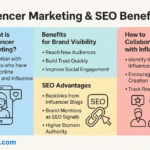
6. Influencer Outreach
Collaborating with influencers in your niche can generate strong mentions and backlinks.
Each of these techniques, when combined strategically, strengthens your site’s authority and search engine position.
Best Practices
-
Focus on Quality Over Quantity – A single backlink from Forbes is worth more than 100 low-quality links.
-
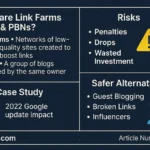
Avoid Black Hat Methods – Buying links, PBNs, or link farms can result in Google penalties.
-
Diversify Your Profile – Use a mix of guest posts, social signals, directory submissions, and natural mentions.
-
Leverage Content Marketing – Publish content so valuable that others naturally want to link to it.
-
Monitor Regularly – Use tools like Ahrefs, SEMrush, or Google Search Console to track backlinks and mentions.
Remember, Off-Page SEO is a marathon, not a sprint. Consistency and authenticity are the keys to long-term results.
Student Section
Summary (150 words)
Off-Page SEO is the practice of improving your website’s reputation and authority through external signals like backlinks, social mentions, and brand references. While On-Page SEO optimizes your own content, Off-Page SEO ensures that the internet recognizes your website as trustworthy and relevant. The major benefits include higher search rankings, more referral traffic, and increased brand credibility. Key techniques include backlink building, guest blogging, influencer outreach, and social media engagement. The golden rule is to prioritize quality over quantity—genuine, high-authority mentions are more valuable than hundreds of low-quality links. Avoid spammy practices such as link farms or buying backlinks, as they can trigger Google penalties. Consistency in Off-Page SEO efforts helps build long-term digital authority, making your site more competitive in search engine results.
Quiz
-
What is the main purpose of Off-Page SEO?
-
Why are backlinks considered important for rankings?
-
Give one difference between On-Page and Off-Page SEO.
-
What is one risk of using link farms or PBNs?
-
Name two Off-Page SEO techniques.
Difficult Words Table
| Word | Meaning in Urdu |
|---|---|
| Backlink | بیک لنک (واپس آنے والا لنک) |
| Authority | اتھارٹی / اعتبار |
| Citation | حوالہ / ذکر |
| Algorithm | الگورتھم / حسابی قاعدہ |
| Outreach | پہنچ / روابط قائم کرنا |
FAQs
Q1: Is Off-Page SEO more important than On-Page SEO?
Both are equally important. On-Page ensures optimization, while Off-Page builds authority.
Q2: How long does it take to see Off-Page SEO results?
Usually 2–6 months, depending on competition and backlink quality.
Q3: Can social media alone improve my rankings?
Not directly, but it boosts visibility and generates signals that support SEO.
Q4: Are nofollow backlinks useless?
No, they add diversity and still bring traffic and trust signals.
Q5: Do brand mentions without links help SEO?
Yes, Google recognizes unlinked brand mentions as a trust factor.