What is SEO? Beginner’s Guide for 2025
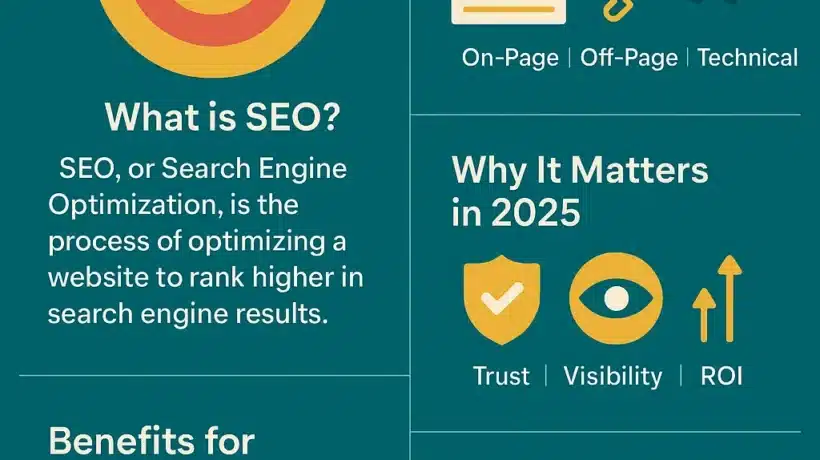
Search Engine Optimization, widely known as SEO, is the backbone of digital visibility. In today’s hyper-competitive online environment, understanding SEO has become a necessity rather than an option. Simply put, SEO is the process of optimizing a website so that it ranks higher in search engine results. The higher a site ranks, the more likely it is to attract organic visitors who are searching for products, services, or information.
In 2025, SEO is no longer just about keywords and backlinks—it’s about delivering value. Google and other search engines are smarter than ever before, analyzing user intent, page experience, and authority. For beginners stepping into the world of digital marketing, learning SEO provides a gateway to long-term, sustainable growth without depending solely on paid ads.
This article will provide a complete beginner’s guide to SEO in 2025. You will learn what SEO is, why it matters, its key components, and how businesses benefit from it. If you are new to SEO or planning to start your digital journey, this guide will give you the foundation you need to succeed.
What is SEO?
SEO stands for Search Engine Optimization. It refers to the process of improving a website’s visibility in organic (non-paid) search engine results. The goal is to increase both the quantity and quality of website traffic. For example, a bakery that ranks on the first page for “best chocolate cake in Karachi” will receive more relevant customers compared to random visitors.
At its core, SEO involves aligning your website with the ranking factors that search engines consider when deciding which pages to show first. These include content quality, site speed, mobile responsiveness, backlinks, and user signals like click-through rate.
In simple words, SEO helps search engines understand your content so they can connect it with the right audience. Without SEO, even the most valuable website may remain invisible.
Why SEO Matters in 2025
The digital landscape in 2025 is more competitive than ever. Millions of new websites are created every year, making it harder to stand out. This is where SEO proves its value.
-
Increased Online Competition – Businesses that don’t invest in SEO risk being overshadowed by competitors who do.
-
User Behavior Shift – Customers now trust organic results more than ads. Research shows that 70–80% of users skip paid ads and prefer clicking organic links.
-
Cost-Effective Growth – Unlike paid advertising that stops once the budget is exhausted, SEO builds long-term results.
-
Authority & Trust – Websites with strong SEO presence become recognized as reliable sources of information, boosting brand authority.
In 2025, Google places even greater emphasis on E-E-A-T (Experience, Expertise, Authoritativeness, Trustworthiness). This means SEO is not just about technical tricks—it’s about building credibility.
Key Components of SEO
On-Page SEO
On-page SEO involves optimizing everything within your website. This includes titles, meta descriptions, keywords, images, and content structure. A well-optimized page makes it easy for both users and search engines to understand what the page is about.
Off-Page SEO
Off-page SEO refers to strategies applied outside your website, mainly backlinks. High-quality backlinks from authoritative sites signal to Google that your website is trustworthy and relevant.
Technical SEO
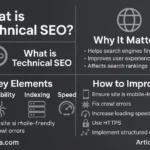
Technical SEO focuses on the behind-the-scenes aspects: site speed, mobile responsiveness, secure HTTPS, XML sitemaps, and crawlability. Without a solid technical foundation, even the best content may fail to rank.
User Experience (UX) Signals
Google now considers user engagement metrics—like time spent on page, bounce rate, and click-through rate—as important ranking factors. A user-friendly website design contributes directly to SEO.
Benefits for Businesses
Investing in SEO brings several benefits that directly impact business growth:
-
Higher Visibility – Appearing on the first page of search results drives more organic traffic.
-
Cost Savings – SEO is cheaper in the long run compared to paid advertising.
-
Quality Leads – SEO targets users who are already searching for your product/service, resulting in higher conversion rates.
-
Brand Recognition – Ranking high builds brand authority and trust among customers.
-
Sustainable Growth – SEO continues to deliver results months and years after the initial effort, unlike short-lived ad campaigns.
Case studies show that small businesses that focus on SEO can outperform larger competitors who rely solely on ads.

Student Section
✅ Summary
SEO, or Search Engine Optimization, is the process of improving a website’s visibility in organic search results. In 2025, SEO is more than just keywords—it involves delivering quality content, optimizing site structure, and building authority. For beginners, understanding SEO provides a strong foundation for digital marketing success. SEO matters because it brings cost-effective growth, higher visibility, and long-term sustainability compared to paid ads. The key components of SEO include on-page, off-page, and technical optimization, along with user engagement signals. Businesses benefit through increased traffic, stronger branding, and better conversions. In short, SEO is the gateway to building a trusted, long-lasting online presence.
📝 Quiz
-
What does SEO stand for?
Answer: Search Engine Optimization. -
What are the three main components of SEO?
Answer: On-Page SEO, Off-Page SEO, and Technical SEO. -
Why is SEO considered cost-effective?
Answer: Because it provides long-term results without ongoing ad spend. -
What does E-E-A-T stand for in Google’s guidelines?
Answer: Experience, Expertise, Authoritativeness, Trustworthiness. -
What is the main goal of SEO?
Answer: To increase visibility and attract relevant organic traffic.
📘 Difficult Words Table
| Word | Meaning in Urdu |
|---|---|
| Optimization | بہتری / اصلاح |
| Algorithm | حسابی فارمولہ |
| Authority | اختیار / وقار |
| Organic Traffic | قدرتی وزیٹرز |
| Conversion | وزیٹر کو کسٹمر بنانا |
FAQs
Q1: Is SEO still relevant in 2025?
Yes, SEO is more relevant than ever because online competition has increased and users prefer organic results over paid ads.
Q2: How long does SEO take to show results?
SEO usually takes 3–6 months to show noticeable results, depending on competition and effort.
Q3: Do small businesses really need SEO?
Yes, SEO is a cost-effective way for small businesses to attract customers and compete with larger companies.
Q4: Can I do SEO myself as a beginner?
Yes, beginners can start with basics like keyword research, content optimization, and improving page speed.
People are also reading
-
“ہوسٹنگ پلان کیسے منتخب کریں؟” (Hosting Guide on Zartacia.com)
-
“SEO میں Duplicate Content Issues اور ان کا حل”
-
“کرپٹو کرنسی کیا ہے اور کیسے کام کرتی ہے؟”